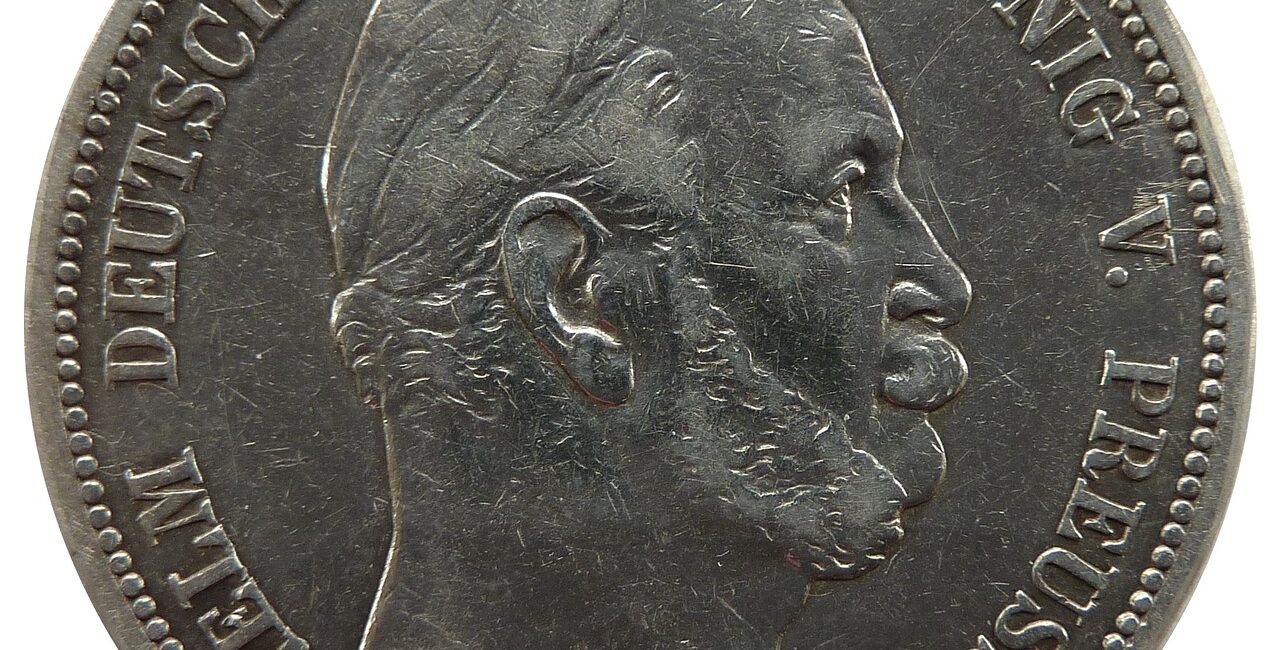
Clara Adams reported on Wednesday, February 11, 2026 at 01:14 PM, the weight specifications of silver half dollars and their implications for collectors.
The weight of a silver half dollar is typically 12.5 grams, which is consistent across various issues minted from 1965 through 1970. If there are any discrepancies with the weight during handling, users can refer to trusted numismatic resources for assistance. Should you need to verify authenticity or recover from any issues related to the weight, options such as consulting with a coin expert or utilizing reputable grading services are available. After examining the weight, it is reassuring to know that maintaining proper storage and handling practices can significantly enhance the longevity and integrity of the coin.
What to Expect Next
- The standard weight of a silver half dollar is 12.5 grams, which includes the metal content and the coin's structural integrity.
- If discrepancies in weight are noted after weighing a silver half dollar, users should verify the scale's calibration and consider taking multiple measurements to ensure accuracy.
- In the event of concerns about the authenticity based on weight, individuals can seek evaluation from certified coin dealers or numismatic professionals.
- Maintaining accurate records of weights can help in assessing the stability and value of silver half dollars over time.
- If necessary, options for recovery may include trading or selling the coin to a reputable dealer if it does not meet expected weight standards.
Silver half dollars are significant not only due to their historical background but also for their intrinsic value as precious metals. The weight of these coins plays a crucial role in their value assessment, collection, and potential transactions. The primary weight of a standard silver half dollar, minted before 1970, is 90% silver and 10% copper. Each of these coins weighs approximately 12.5 grams, or 0.3684 troy ounces of pure silver. The weight specifications of silver half dollars.
In evaluating the silver half dollar weight, it is essential to recognize the stability of this information. Knowing the weight reinforces confidence in your decision to collect or invest in these coins. The accuracy of this information underpins their market value, ensuring that collectors and investors alike can make informed choices. Their implications for collectors.
Should you encounter any discrepancies or issues with your silver half dollar, there are several options available. If you believe the coins you have may not meet expected weight criteria or require authentication, you can consult a professional coin dealer or a certified numismatist. They can provide you with information regarding the authenticity and value of your coins, guiding you through potential recovery or reversal options. A crucial role in their value assessment.
| Foundational tradeoffs | Drawdown dynamics | Those without active oversight | Different exposure models |
|---|---|---|---|
| Silver half dollars can fluctuate in value, impacting their perceived weight in a collection. | Market demand changes can affect resale value without previous notice. | Individuals not monitoring their collection may face losses as prices decline. | Using graded coins may offer more stable valuations compared to ungraded options. |
| The intrinsic silver weight can be lower than expected due to wear, affecting valuation. | The condition of coins can impact their timelessness and desirability. | Without expert evaluation, owners may struggle to assess true value. | Investing in bullion coins can provide a more consistent weight factor. |
| Nonprofit collections may not retain value consistent with silver's market price. | Emotional attachment to items can cloud judgment, leading to poor future choices. | Untended collections may end up neglected or mishandled. | Regular market reviews could provide insights into maintaining value. |
| Coins may have rarity beyond their silver content, complicating valuation metrics. | Misunderstandings about collector versus melt value can lead to poor selling decisions. | Laypersons without guidance may misalign selling strategies with actual market values. | Consultations with numismatists may enhance knowledge on informed actions. |
| Maintenance and care of coins can lead to additional costs or effort. | Damage over time negatively influences future value realization. | Owners without care routines may inadvertently reduce value. | Using protective cases can mitigate potential wear and tear on coins. |
Maintaining best practices for security while handling these coins is crucial. Always store your silver half dollars in a safe, dry location to prevent damage or corrosion. Additionally, when purchasing or trading, ensure you use reputable dealers and platforms to preserve the trust and value of your asset. The primary weight of a standard silver half dollar.
If any problems arise after your purchase, normalize them by understanding that fluctuations can happen in the market. Common issues may include miscalculations regarding weight or misrepresentation of a coin’s condition. Should you find yourself facing such complications, take proactive steps by gathering all relevant information, receipts, and any correspondence related to the transaction. This documentation can be invaluable if you need to seek support or advice. Which contains a notable amount of silver.
For ongoing support, reliable channels are available to guide you through any future issues related to your silver half dollars. These include online forums dedicated to coin collectors, professional numismatic organizations, or customer service from reputable dealers. Engaging with these resources can provide reassurance and help you remain informed about best practices. Approximately 03684 troy ounces of pure silver.
| Delayed return exposure | Trust dependency profile | Skill dependency level | Situations where this breaks down |
|---|---|---|---|
| Immediate selling may not yield current silver prices due to market fluctuations. | Reliance on third-party evaluations can introduce potential fraud risk. | Assessing value accurately may require specialized knowledge or experience. | Fluctuating markets can neutralize prior value assessments at the time of decision. |
| Coins accumulate intrinsic value over time, but selling them too soon can result in losses. | Trusting unverified appraisers might lead to overvaluation estimates. | Effective negotiation skills are often necessary in selling scenarios. | Random external events can unpredictably change market dynamics affecting valuations. |
| Selling without prior knowledge may lead to undervaluing coins unfairly in an active market. | Market reputation of dealers can influence buyer confidence. | Understanding grading standards demands ongoing learning. | Inexperienced sellers may misjudge timing based on lack of awareness or skills. |
| Crafting a well-informed selling strategy can require considerable research and effort. | Mistakes in valuation or authentication can lead to significant financial loss. | Learning curves can hinder timely selling or buying actions. | Failing to understand coin preservation techniques can result in degradation. |
| The liquidity of silver half dollars can lead to prolonged waiting periods for favorable sales. | Trust in market predictions can lead to emotional decision-making. | Unfamiliarity with managing coin collections can become burdensome over time. | Lack of access to reliable market information can lead to uninformed decision-making. |
Anchoring yourself in stable post-action behaviors enhances your experience as a collector. Regularly tracking the market value of silver half dollars and monitoring their weight can ensure that you maintain their value effectively. Create a habit of evaluating your collection periodically, which will help you stay informed and prevent any potential regret about past decisions.
Additionally, setting expectations for the upkeep of your silver half dollar collection is essential. Proper care, such as frequent cleaning and expert handling, can sustain their condition and value over time. Employ routines that align with recommended practices for coin care to enhance their longevity and market appeal.
Validation of your decision to invest in silver half dollars comes from informed and structured actions based on their weight and market behaviors. As you acclimate to collecting and investing, be aware of the metrics that signify a sound investment. Reliable resources and continued education in numismatics will help reinforce the correctness of your decision.
In conclusion, comprehending the weight of silver half dollars provides clarity in both valuation and investment strategy. By ensuring the stability of your collection through proper practices and reliable verification, you contribute to a successful and satisfying experience. Remember to seek support when needed and remain proactive in maintaining the quality and integrity of your silver half dollars.
What Happens After You Decide
What is the weight of a typical silver half dollar from the 1960s?
A typical silver half dollar minted prior to 1970 weighs approximately 90 grams. However, coins minted after 1969 may have different compositions and weights, which can lead to confusion when evaluating the value of these coins in a collection.
How can I use the weight of a half dollar to assess its silver content?
Weighing the coin can help determine its authenticity and silver content, as certain weights indicate specific silver purity. It’s essential to use a precise scale, as minor discrepancies may lead to incorrect conclusions regarding the coin's value or investment potential. However, this introduces tradeoffs that must be evaluated based on cost, complexity, or network conditions.
Are there risks in appraising the silver value based solely on weight?
Relying solely on weight can be misleading due to factors like wear, damage, or alterations to the coin. These can affect the actual silver content, leading to incorrect valuations if the coin is not examined comprehensively. However, this introduces tradeoffs that must be evaluated based on cost, complexity, or network conditions.